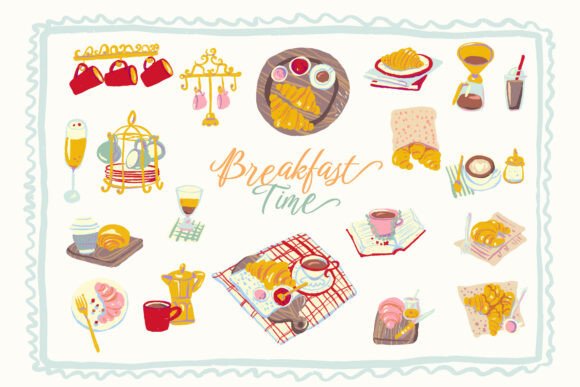
Review: Hand-Drawn Breakfast Time Food and Drink
As a designer who has spent years translating digital concepts into thread, I have learned that not every pretty graphic translates well to fabric. When I first opened the Hand-Drawn Breakfast Time Food and Drink collection, my initial reaction was one of cautious optimism. The whimsical, sketch-like quality of these Illustrations is undeniably charming, but charm alone does not make a viable machine embroidery design. I needed to know if these lines would hold up under the needle or if they would dissolve into a messy puckering on a client’s custom tote bag.
The Aesthetic Appeal and First Impressions
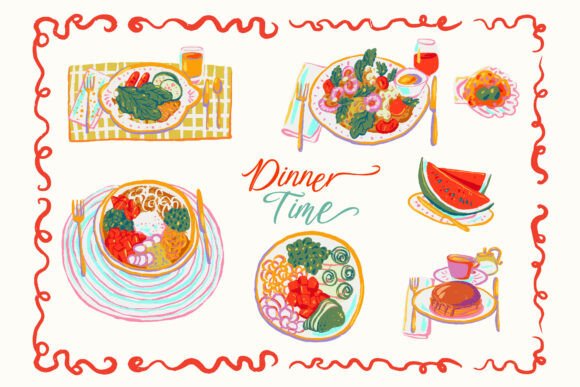
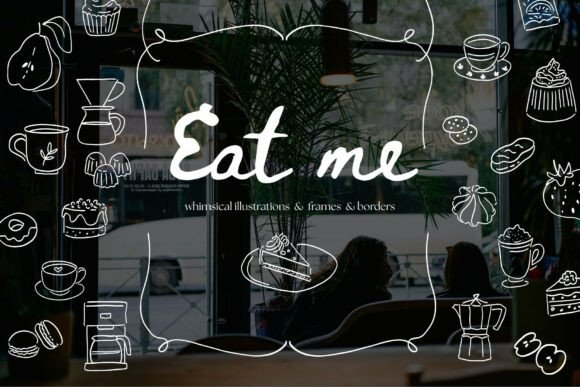
The mood of this set is warm, inviting, and distinctly artisanal. It captures that slow Sunday morning feeling perfectly. For an Etsy seller or a boutique owner, this visual personality is gold. It speaks directly to customers who value handmade authenticity over mass-produced perfection. The Graphics feature loose, organic lines that mimic pen-and-ink drawings. This style is trendy right now, fitting seamlessly into modern farmhouse decor, cozy café branding, or playful nursery themes.
However, from a technical standpoint, hand-drawn aesthetics can be tricky. Unlike rigid vector shapes, these designs rely on varying line weights and imperfect curves. In embroidery, consistency is key. My concern was whether the digitizer had maintained the artistic flair while ensuring the stitch density remained manageable. A design that looks great on a screen can sometimes become a dense block of thread on fabric, losing all its delicate character.
Real-World Application: The Tote Bag Test
To truly evaluate the Hand-Drawn Breakfast Time Food and Drink set, I decided to test it on a project that demands both durability and visual clarity: a heavy-cotton canvas tote bag. This is a staple small shop product for many crafters. I chose a simple coffee cup and croissant motif from the collection.
The result was surprisingly effective. Because the design uses primarily running stitch and light fill stitch areas, it did not overwhelm the texture of the canvas. The thread colors I selected—a warm espresso brown and a buttery yellow—popped against the natural beige fabric. This confirmed that the design works exceptionally well for tote bag design projects where you want the art to feel integrated into the material rather than sitting heavily on top of it.
I also considered how this would look as sweatshirt embroidery. On a fleece hoodie, the loose lines of the breakfast items added a nice contrast to the soft, fuzzy texture. It felt personal and thoughtful, exactly what a customer wants when buying a personalized gift. The design did not get lost in the pile of the fabric, which is a common issue with overly detailed digital embroidery file sets.
Navigating Technical Challenges
While the aesthetic is strong, there are areas where you must proceed with caution. The hand-drawn style means some elements have very fine details. If you are planning to use these on a small hoop size, such as a 4x4 inch frame for an embroidered patch or a baby onesie, you need to be careful. Tiny, intricate lines can break or merge during stitching if the stabilizer is not adequate.
For baby embroidery, I recommend avoiding the most complex pieces in the set unless you are using a high-quality cut-away stabilizer. Babies move, and their clothes go through frequent washing. A design with poor stability will pucker after the first cycle. Additionally, if you are working on stretchy fabrics like jersey knits for t-shirts, ensure you use a hoop within the hoop or a sticky stabilizer to prevent shifting. The organic lines of the Hand-Drawn Breakfast Time Food and Drink collection can look distorted if the fabric moves even slightly during the stitching process.
Another consideration is dark fabric. These designs rely on line work. If you are stitching on a black navy sweatshirt, a single layer of running stitch might not provide enough coverage. You may need to adjust your settings to double-stitch certain lines or choose lighter thread colors to ensure visibility. Always test your embroidery file on a scrap piece of the actual fabric you intend to use. This simple step saves hours of frustration and wasted materials.
Commercial Viability and Brand Consistency
For commercial embroidery professionals, this collection offers versatility. It fits well into several niches: kitchenware, café merchandise, and spring-themed home decor. Imagine these designs on aprons for a local bakery or on tea towels as part of a housewarming gift set. The cohesive look of the design assets allows you to create matching sets, which increases the perceived value of your finished product.
Customer trust is built on consistency. If your brand focuses on cozy, handmade vibes, this set aligns perfectly. It enhances your handmade product presentation by adding a layer of artistic credibility. However, always check the licensing terms provided with the Hand-Drawn Breakfast Time Food and Drink Collection Set in SVG format. While it is created for creative use across print, digital, and craft, confirming whether it covers commercial sales of physical goods is essential before listing items on your store.
Practical Designer Notes
Before you dive into your next project, keep these practical tips in mind:
- Test on Scrap Fabric: Never skip this step. Check how the stitch density interacts with your specific material.
- Check Thread Contrast: Since these are line-based Illustrations, high contrast between thread and fabric is crucial for clarity.
- Review Small Details: Zoom in on the digital preview. If a line looks too thin, consider merging it with a neighboring element or simplifying the path.
- Mockup in Black and White: This helps you see the structure of the design without the distraction of color, ensuring the shape holds up.
- Confirm Licensing: Ensure your intended use, whether for Craft business sales or client work, complies with the creator’s terms.
In conclusion, the Hand-Drawn Breakfast Time Food and Drink collection is a strong contender for designers looking to add a touch of whimsy to their embroidery project lineup. It requires a bit more attention to detail than standard block fonts or simple shapes, but the payoff in visual appeal and customer engagement is worth the effort. With the right stabilizer, thread choice, and fabric selection, these designs can elevate your custom apparel and home goods from ordinary to exceptional.