Reviewing Abstract Geometric Shapes and Patterns V for Embroidery
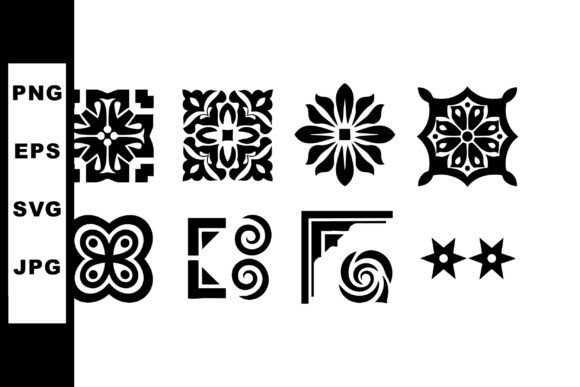
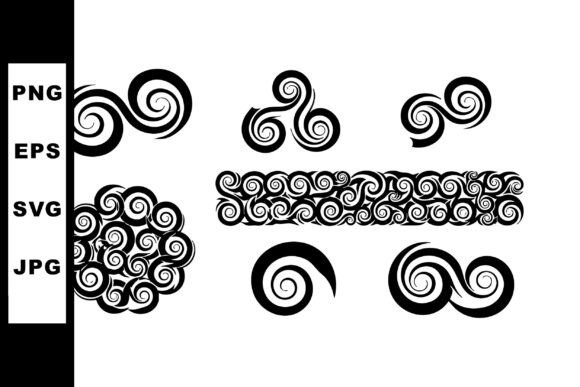
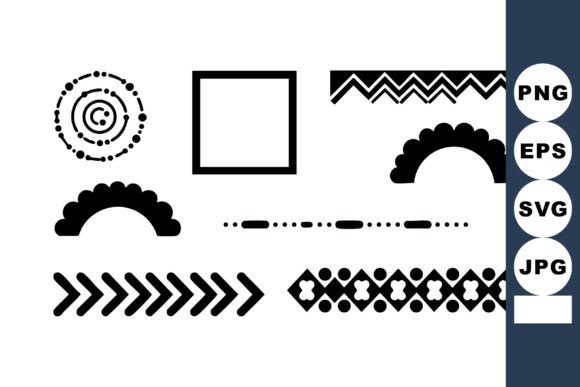
As a designer who has spent years translating digital concepts into thread, I have learned that not every Illustrations asset translates well to fabric. When I first opened the file for Abstract Geometric Shapes and Patterns V, my immediate reaction was one of cautious optimism. The design features abstract black geometric shapes, including circles, zigzags, chevrons, and decorative patterns arranged on a white background. It carries a creative and minimalistic mood that is currently very popular in modern home decor and apparel. However, seeing it on a screen is vastly different from seeing it under the needle of an embroidery machine.
This review is written for fellow embroidery designers, small business owners, Etsy sellers, and hobbyists who need to know if this specific set of Graphics will hold up in a real-world production environment. I am evaluating this not just as a visual element, but as a functional machine embroidery design component for client projects and handmade goods.
First Impressions and Visual Mood
The aesthetic of Abstract Geometric Shapes and Patterns V is clean and contemporary. The use of high-contrast black shapes against white creates a bold statement without being overly busy. For an embroidery project, this simplicity is a double-edged sword. On one hand, minimalism reduces stitch count and production time. On the other hand, it leaves no room for error. Every jagged edge of a chevron or the curve of a circle must be precise, or the design will look sloppy rather than stylish.
The mood is distinctly modern. It does not feel rustic or vintage, which means it fits best with contemporary branding. If you are running a craft business that focuses on modern nursery decor or minimalist adult apparel, this design aligns perfectly with your brand identity. It feels intentional and curated, which can significantly boost the perceived value of a finished product.
Real-World Application: The Tote Bag Test
To truly understand how this design performs, I imagined applying it to a custom embroidered tote bag. This is a staple item for many small shop products and boutique branding efforts. The geometric nature of the circles and zigzags lends itself well to the flat, stable surface of a canvas tote.
In this scenario, the design would likely serve as a central focal point. Because the shapes are abstract, they do not dictate a specific gender or age, making the tote versatile for various customers. However, when stitching geometric patterns, alignment is critical. If the chevrons are off-center by even a few millimeters, the human eye will notice immediately. This requires careful hooping and possibly the use of a magnetic hoop assistant to ensure the embroidery file is placed perfectly straight on the fabric.
Apparel and Custom Gifts
Beyond totes, I considered this design for sweatshirt embroidery and custom apparel. A placement on the left chest of a hoodie or the back of a t-shirt could look striking. The abstract nature allows it to function almost like a logo. For personalized gifts, such as a baby onesie or a holiday gift for a design-conscious friend, the playful yet structured elements of the zigzags add a touch of whimsy without being childish.
However, using this on curved surfaces like caps requires extra caution. The rigid lines of the geometric shapes may distort if the fabric stretches during stitching. An embroidered patch might be a safer alternative here, allowing you to stitch the design on a flat stabilizer-backed piece before attaching it to the hat.
Technical Considerations for Stitching
Since the source material is described as vector graphics within a downloadable ZIP, we must assume some conversion or preparation is needed unless a dedicated embroidery file format is included. If you are working with raw graphics, you will need to digitize them carefully. Pay close attention to stitch density. Geometric shapes often tempt digitizers to use dense fill stitches, which can cause puckering on lighter fabrics.
- Stitch Type: Consider using satin stitch for smaller elements like thin chevrons to maintain sharp edges. Use fill stitch for larger circles, but keep the density moderate to prevent stiffness.
- Running Stitch: Use running stitch for underlay to secure the fabric and define the shape before the top stitching begins.
- Stabilizer: A cut-away stabilizer is recommended for stretchy fabrics like t-shirts to prevent distortion of the geometric lines. For woven fabrics like aprons or tea towels, a tear-away may suffice if the design is not too dense.
It is crucial to test the design on scrap fabric first. Check thread color contrast; while black on white is classic, trying dark navy on heather gray or deep green on cream can soften the look for different markets. Always inspect small details after the test run. Are the points of the zigzags sharp? Do the circles look round or slightly oval due to pull?
Fabric and Placement Challenges
Not all fabrics are created equal. Textured fabrics can hide minor imperfections, but they can also obscure the crispness of fine geometric lines. Thin fabric may require additional backing to support the weight of the threads. Dark fabric presents a challenge if the design relies on negative space; you may need to adjust the design to include background fills or choose thread colors that pop against the dark base.
For items that need frequent washing, such as kitchen towels or baby clothes, ensure the stitch density is not so high that it compromises the integrity of the fabric over time. Dense stitch areas can create hard spots that become uncomfortable or wear out faster than the surrounding material.
Commercial Viability and Brand Consistency
For Etsy sellers and commercial embroidery professionals, Abstract Geometric Shapes and Patterns V offers strong potential for digital embroidery file sales or finished product listings. The minimalistic style is evergreen, meaning it is less likely to go out of fashion quickly compared to trend-heavy motifs. This longevity supports better return on investment for your design assets.
When creating printable mockups or digital product previews, this design photographs well because of its high contrast. Clear, sharp images lead to higher buyer engagement and trust. Customers can easily see what they are buying, which reduces hesitation. Furthermore, using consistent geometric themes across your product line—such as matching pillow covers and blankets—can strengthen brand recognition.
Final Designer Notes
Before committing to a large batch of handmade products, verify the licensing terms provided in the downloadable ZIP. Confirm whether the license allows for commercial use of finished items or if it restricts you to personal projects. If you are selling the digital embroidery file itself, ensure you have the rights to redistribute the digitized version.
Compare light and dark fabric backgrounds to see which yields the best visual appeal for your target audience. Remember that while the design is simple, execution is key. Professionalism in embroidery comes from clean trims, proper tension, and precise placement. Abstract Geometric Shapes and Patterns V is a strong candidate for modern makers, provided it is handled with technical care and creative insight.