Reviewing Design of Balanced Dietary Habit for Embroidery
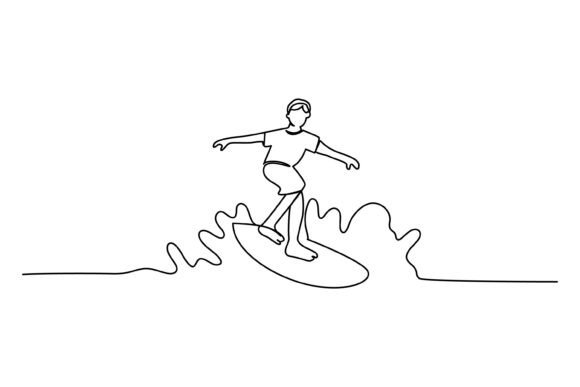
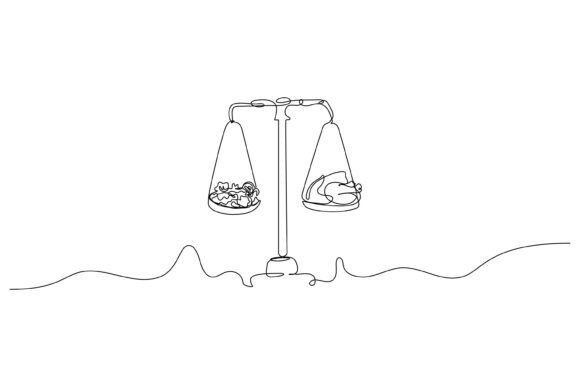
As an embroidery designer who has spent years translating digital concepts into tangible thread, I approach every new machine embroidery design with a critical eye. It is not enough for a graphic to look good on a screen; it must survive the needle, the fabric tension, and the wash cycle. Recently, I evaluated Design of Balanced Dietary Habit, a single-line decorative element categorized under Illustrations and Graphics. My goal was to determine if this minimalist asset holds up in real-world production for small business owners and crafters.
First Impressions and Visual Personality
The immediate appeal of Design of Balanced Dietary Habit lies in its restraint. In a market saturated with dense, complex patterns, this piece offers a breath of fresh air. The single-line aesthetic suggests a modern, clean mood that aligns well with contemporary wellness trends. For an embroidery project, simplicity is often a double-edged sword. While it reduces stitch time, it demands precision. There is no fill stitch to hide imperfections here. The visual personality is calm and intentional, making it an ideal candidate for products that aim to convey health, mindfulness, or organic living.
When I first loaded the SVG file into my digitizing software to inspect the path, I noticed the smooth curvature of the line. This is crucial. Jagged vectors translate into jerky machine movements, which can cause thread breaks or uneven tension. The fluidity of this design suggests it will stitch out cleanly, provided the machine is well-maintained and the stabilizer is appropriate.
Real-World Application: The Custom Tote Bag Test
To truly understand the value of this asset, I imagined a specific scenario: a custom order for a local health food co-op. They needed branded tote bags that felt premium but not overly corporate. I envisioned placing Design of Balanced Dietary Habit centrally on a heavy-weight cotton canvas tote. Because the design is a single decorative element, it allows the texture of the fabric to remain visible, enhancing the handmade product feel.
In this context, the design performs exceptionally well. It does not overwhelm the bag’s surface. Instead, it acts as a subtle signature. For an Etsy seller or small shop owner, this versatility is key. You are not limited to one niche. This graphic could easily transition from a kitchen towel in a boutique home goods store to a minimalist patch on a denim jacket. The lack of intricate detail means it scales well, maintaining its integrity whether enlarged for a pillow cover or reduced for a pocket accent.
Navigating Fabric and Stitch Challenges
However, practical design judgment requires acknowledging limitations. A single-line design relies heavily on the choice of stitch type. If you convert this directly to a running stitch, it may appear too thin on textured fabrics like terry cloth or fleece. In such cases, I recommend using a slight satin stitch width or a triple-run setting to give the line more presence. Without this adjustment, the design might get lost in the pile of the fabric.
Another consideration is hoop size and placement. While the design is flexible, placing it on curved surfaces like caps requires careful hooping. The continuous line must not distort. If the fabric stretches during stitching, the elegant curve could become an awkward squiggle. I always advise testing the design on scrap fabric first, especially when working with stretchy materials or dark fabrics where thread contrast is vital. A light thread on a dark background can highlight the design beautifully, but only if the stitch density is consistent.
Commercial Viability and Brand Consistency
For commercial embroidery projects, consistency is everything. Customers trust brands that deliver uniform quality. Design of Balanced Dietary Habit supports this by offering a clean, professional look that does not date quickly. Unlike trendy, complex illustrations that may look outdated in a year, this minimalist approach has longevity. It enhances brand consistency across various items, from aprons worn by staff to personalized gifts for clients.
When creating printable mockups or digital product previews, the EPS and JPG formats included in the package are invaluable. They allow you to visualize the design on different backgrounds before committing to stitching. This saves time and resources, a crucial factor for any creative entrepreneur managing inventory. The ability to see how the design interacts with different thread colors in a digital space helps in making informed decisions about your final product lineup.
Practical Notes for the Embroidery Designer
Before integrating this design into your workflow, consider these technical checks:
- Check Thread Contrast: Since it is a single line, ensure your thread color stands out against the fabric. High contrast improves visibility and perceived quality.
- Stabilizer Selection: Use a cut-away stabilizer for stretchy fabrics to prevent distortion of the line. For woven fabrics, a tear-away may suffice, but test first.
- Inspect Small Details: Zoom in on the vector path. Look for any unnecessary nodes that could cause the machine to pause or jerk.
- Verify Licensing: Always confirm the license terms before selling finished items. While the description mentions commercial use potential, explicit confirmation protects your business.
- Test on Scrap Fabric: Never run a new design on final product material without a test stitch-out. Check for puckering or thread breaks.
Final Verdict on Design Assets
Design of Balanced Dietary Habit is a strong addition to any library of design assets. It is not just a graphic; it is a versatile tool for storytelling through thread. For the hobbyist, it offers a manageable project that yields professional results. For the seasoned Etsy seller, it provides a reliable, aesthetically pleasing element that appeals to the growing market for wellness-oriented handmade goods.
The inclusion of EPS, SVG, and JPG formats ensures compatibility with most digitizing and design software. This flexibility allows you to adapt the design to your specific machine’s requirements, whether you need to adjust the stitch density or modify the path slightly for a unique application. Ultimately, this design succeeds because it respects the medium of embroidery. It does not try to be something it is not. It is a clean, balanced line that invites the viewer to appreciate the simplicity of good design and the craftsmanship of the stitch.
If you are looking to expand your repertoire of sweatshirt embroidery or baby embroidery items with a touch of modern elegance, this design warrants a spot in your collection. Just remember to respect the fabric, choose your stabilizer wisely, and let the simplicity of the line speak for itself.