Reviewing Circular Dotted Halftone Pattern Design for Embroidery
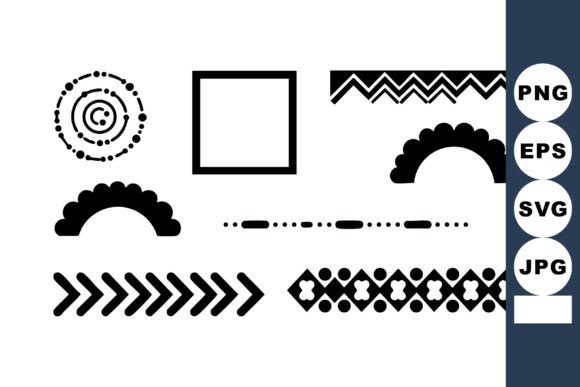
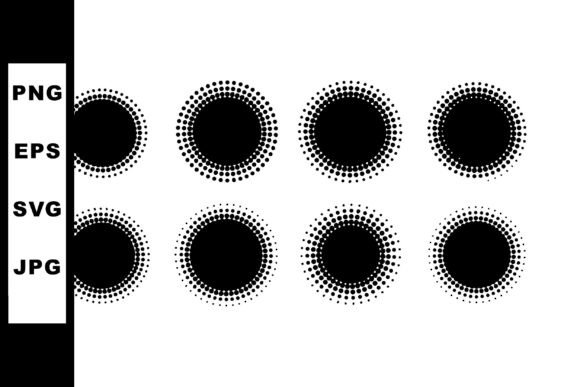
As a designer who has spent countless hours digitizing patterns and testing them on various fabrics, I approach every new Illustrations asset with a critical eye. It is not enough for a graphic to look good on a screen; it must translate effectively into thread. Recently, I evaluated the Circular Dotted Halftone Pattern Design, a vector illustration featuring circular dotted halftone patterns in a black and white style. My goal was to determine if this modern, creative mood piece could survive the transition from digital Graphics to a tangible embroidery project.
First Impressions and Visual Personality
The first thing that strikes you about the Circular Dotted Halftone Pattern Design is its rhythmic structure. The use of dots to create shading and depth is a classic technique in print design, but applying it to embroidery requires careful consideration. The pattern exudes a contemporary vibe, making it suitable for brands or individuals looking to move away from traditional floral or script motifs. The black and white aesthetic offers high contrast, which is crucial for visibility, but the varying density of the dots suggests a need for precise stitching.
When I imagine this design on a finished product, I see it working best as a background element or a bold statement piece on minimalist items. It does not scream for attention with bright colors; instead, it invites closer inspection. This subtlety is a strength for high-end boutique branding but could be a weakness if the stitch resolution is too low.
Real-World Application: The Custom Tote Bag Test
To truly understand the viability of this design, I visualized a specific real-life scenario: creating a custom tote bag design for a local artisan coffee shop. The client wanted something modern and understated. I imagined placing the Circular Dotted Halftone Pattern Design on a heavy canvas tote. In this context, the circular nature of the pattern complements the rounded handles and the soft drape of the fabric.
However, the challenge lies in the execution. A machine embroidery design like this relies heavily on the interplay between the thread and the fabric texture. On a coarse canvas, the dots might get lost if they are too small. Conversely, on a smooth cotton twill, the halftone effect could shine, creating a sophisticated gradient effect using only thread density. For an Etsy seller or small shop product creator, this means the choice of blank is just as important as the digitization itself.
Performance Across Different Products
Beyond tote bags, where else does this pattern fit? I considered its application in custom apparel. On a sweatshirt, the sweatshirt embroidery would need to account for the fleece texture. A dense fill stitch interpretation of these dots might cause puckering if not properly stabilized. For baby embroidery, such as on a onesie or blanket, the design would need to be scaled down significantly. Here, the simplicity of the black and white style is advantageous, as it avoids the complexity of multi-color changes that can irritate sensitive skin or complicate production.
For embroidered patch makers, this design offers a unique opportunity. Patches often benefit from bold, graphic elements. The circular halftone pattern could serve as a striking background for a logo or text placed in the center. However, the edges of the circles must be clean. If the stitch density is too high, the patch may become stiff and lose its flexibility. If too low, the fabric underneath might show through, ruining the halftone illusion.
Technical Considerations and Cautionary Notes
While the aesthetic appeal is strong, there are areas where the Circular Dotted Halftone Pattern Design requires caution. First, consider the hoop size. Large, continuous areas of dotted patterns can lead to fabric distortion if the stabilizer is not robust. I always recommend using a cut-away stabilizer for garments that will undergo frequent washing, such as custom apparel or kitchen towels.
Second, think about the fabric type. On stretchy fabrics like jersey knits, the rigid structure of a halftone pattern can cause warping. The dots may elongate or distort when the garment is worn. Similarly, on dark fabrics, using white thread for the dots creates high contrast, but any misalignment in the stitching becomes immediately visible. There is no room for error in a high-contrast digital embroidery file conversion.
Another critical factor is the level of detail. If the original vector illustration has very fine dots, they may not translate well to thread. A running stitch might be too thin, while a satin stitch is too wide for tiny dots. The digitizer must find a balance, perhaps using small tack-down stitches or specialized fill techniques. Before committing to a large production run, always test the design on scrap fabric identical to your final product.
Enhancing Brand Value and Customer Trust
From a business perspective, using unique design assets like this can elevate your brand. Customers associate intricate, well-executed embroidery with quality. When a buyer sees a consistent halftone pattern on a personalized gift or a holiday embroidery item, it signals professionalism. It shows that the maker has invested time in selecting and preparing high-quality graphics.
For commercial embroidery projects, consistency is key. If you are producing multiple items for a client, the Circular Dotted Halftone Pattern Design must look identical on each piece. This requires strict control over thread tension and machine maintenance. A well-executed pattern builds customer trust and encourages repeat business. It transforms a simple item into a handmade product that feels curated and special.
Practical Designer Notes for Implementation
Before you download and start stitching, here are my practical recommendations:
- Check the File Formats: The description mentions SVG and EP. Ensure your embroidery software can import these formats or convert them accurately into native machine files. Do not assume compatibility.
- Test Stitch Density: Run a test stitch-out on similar fabric. Check if the dots are too dense, causing stiffness, or too sparse, revealing the base material.
- Contrast is Key: Verify that your thread colors provide sufficient contrast against the fabric. Black on white or white on black works best for this halftone style.
- Stabilizer Selection: Use appropriate stabilizers. Tear-away may suffice for stable woven fabrics, but cut-away is safer for knits and items requiring durability.
- Licensing Verification: Confirm the license terms. Can you use this for commercial sales? Are there restrictions on the number of finished items? Always clarify this before selling finished product items on platforms like Etsy.
- Mockup Review: Create digital mockups to visualize the design on different products. This helps in marketing and setting customer expectations.
In conclusion, the Circular Dotted Halftone Pattern Design is a versatile and modern addition to any designer’s library. It bridges the gap between graphic design and textile art. However, its success depends entirely on thoughtful execution. By respecting the technical limitations of embroidery and understanding the nuances of fabric and thread, you can transform this vector illustration into a stunning physical reality. Whether for a craft business or a personal hobby, this design offers a fresh perspective on how we can use dots and space to create depth and interest in our work.